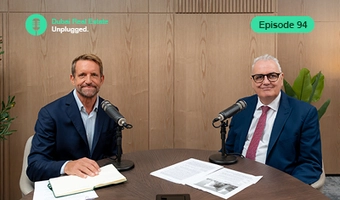
In this episode of Dubai Real Estate Unplugged, Paul Sharland, Off Plan Director, and Steven Leckie, Associate Director at haus & haus, discuss the energy fuelling Dubai’s property market and why Dubai property prices could see another significant rise in 2025.
From the arrival of high-net-worth individuals to fresh Off Plan launches and investor sentiment across emerging areas like Dubai South, the conversation explores what’s driving growth, where opportunities lie and how buyers can act on them.
Key takeaways
Dubai’s property market remains one of the world’s most dynamic.
- Millionaire migration continues to drive high-end demand.
- New master-planned areas such as Expo City and Dubai South are maturing fast.
- Selective investing, choosing credible developers and balanced communities, will separate short term speculators from sustained success stories.
Together, these forces are shaping the average property price in Dubai, signalling continued growth potential across both established and emerging areas. Paul and Steven emphasises, the key to thriving in 2025 is maintaining energy, creativity and consistency, both in business and in property decisions.
The energy behind Dubai’s market momentum
Before diving into numbers, Paul shares his perspective on Dubai’s unique atmosphere, what he calls “ECC: Energy, Creativity and Consistency.” He notes that returning to Dubai after travelling abroad, you can feel the difference: a pace and positivity that encourages business success.
Steven agrees, pointing out that Dubai’s “can-do” environment stands apart from major financial hubs like London, New York and Singapore. The Emirates’ rapid support for entrepreneurs and startups means optimism filters directly into the property sector.
“If you’ve got the energy, creativity and consistency, this place can be life-changing,” Paul explains. This culture of momentum underpins much of Dubai’s ongoing real-estate expansion.
The migration of millionaires
Steven introduces data from a Henley & Partners report on global millionaire migration. Around 140,000 millionaires worldwide are relocating in 2025 and the UAE is among the top destinations, welcoming an estimated 9,000 high-net-worth individuals.
The reasons go beyond sunshine and lifestyle. The UAE’s tax advantages, ease of doing business and world-class infrastructure make it a magnet for those seeking both security and opportunity. Paul adds that for professionals earning high incomes abroad, the difference in take-home pay can be transformative once income tax is removed.
This migration isn’t just about residency. It’s reshaping demand across premium communities and new Off Plan zones, influencing the overall Dubai property price trend.
Investment stories from the ground
Both hosts share recent personal investments to illustrate market confidence.
Paul Sharland: betting on Expo City
Paul has purchased a two bedroom apartment in Mangrove Residences at Expo City, highlighting its flexible payment plan and strong rental appeal. He notes a spike in informed investor enquiries about the area, suggesting growing awareness of Expo City’s long term potential.
“I think Expo is going to pop,” Paul says, pointing to increased investor calls and renewed attention on the area’s infrastructure and lifestyle appeal .
Steven Leckie: discovering Avenue 888 in Dubai South
Steven recounts a client enquiry that led him to explore Avenue 888, a low-rise community by a new developer backed by seasoned Emirati professionals with experience at Emaar, Nakheel and Meraas.
With two bed units priced around AED 1.2–1.4 million and modern facilities such as co-working spaces and paddle courts, he believes the project offers “Belgravia-style” living at a fraction of central Dubai’s cost.
He emphasises that buying from developers with credible track records, even new names, is vital for long term security.
A word of caution: oversupply and micro-units
Despite their optimism, both warn investors to beware of overbuilt micro-unit projects. Some developers are releasing 2,000 to 3,000-unit buildings dominated by studios and small one-beds. While entry prices appear attractive, oversupply in these formats can make resale difficult.
“If you’re buying in a tower with a thousand studios, you’re competing with a thousand other sellers when you want to exit,” Paul explains .
Instead, they recommend focusing on communities with balanced unit mixes, reputable developers and strong lifestyle propositions; qualities that sustain value, rental demand and support a healthy property price forecast for investors.
Choosing the right developer matters
Steven and Paul underline that the developer’s customer-service reputation is as critical as location. A competitive price means little if investors spend years chasing progress updates or facing communication issues.
“We want clients to deal with developers who speak to you as a person, not a number,” Steven notes. “That’s what creates long term satisfaction and repeat investment.”